
Cardiology Warsaw
At MDT Medical, we provide comprehensive cardiac care for adults and children - from prevention to diagnosis to treatment of cardiovascular diseases. Our cardiologists are experienced specialists who diagnose and treat such conditions as hypertension, cardiac arrhythmias, heart failure or coronary artery disease. Thanks to advanced diagnostic tests, we can quickly diagnose the problem and offer effective treatment.
4.5/5.0

5.0/5.0

9.5/10

What does a cardiology consultation at MDT Medical look like?
01
Professionalism and experience
Our team of cardiologists are specialists with many years of experience who care about each patient's heart health.
02
Modern diagnostic methods
We use state-of-the-art technology that allows us to quickly and effectively diagnose any cardiovascular problems.
03
Individual approach to the patient
Each cardiology consultation begins with a detailed history and physical examination, allowing us to better understand the patient's needs and expectations.
04
Quick access to test results
The results of the tests are available as soon as they are performed, allowing rapid intervention if any abnormalities are found.
Discover the full range of cardiology services at MDT in Warsaw
A comprehensive consultation combining ECG and ECHO of the heart allows for a complete assessment of heart function. The doctor analyses the heart rhythm and its structure in real time. This is recommended for shortness of breath, fainting, palpitations or suspected heart defects.
During a cardiology consultation with ECG, the doctor not only takes a history and examination, but also performs electrocardiography. This is a quick and non-invasive way of assessing the heart rhythm, detecting arrhythmias or myocardial ischaemia. Ideal for people with complaints of chest pain.
ECG performed during a child's cardiology visit. A quick and painless assessment of heart function.
ECG to visit is a diagnostic test to assess heart rhythm, conduction of electrical impulses and work of the heart muscle. It allows the detection of cardiac arrhythmias, ischaemic changes, myocardial infarction and other abnormalities of the cardiovascular system.
Cardiac ECHO is a non-invasive ultrasound examination that assesses the structure of the heart, the function of the valves and blood flow in the blood vessels.
During the visit, the cardiologist attaches a Holter ECG machine, which records the heart for 24 hours. This is a key test in the diagnosis of heart rhythm disturbances, syncope and palpitations. The 24-hour ECG Holter allows the detection of abnormalities that do not appear during a regular ECG.
An extended cardiology consultation with cardiac ECHO is a comprehensive assessment of the heart and circulatory system. During the visit, the doctor carries out an ultrasound examination of the heart to assess its structure and function. This is crucial in the diagnosis of hypertension, heart failure and valvular defects.
A brief cardiology consultation is a quick assessment of your cardiovascular condition, ideal if you need to interpret results, consult a specialist or monitor the effects of treatment. The doctor analyses your symptoms, your cardiac history and suggests further diagnostic or therapeutic steps.
A Holter ECG is a state-of-the-art, non-invasive diagnostic test that allows the heart to be recorded around the clock - both at rest and during daily activity. This makes it possible to pick up abnormalities that do not appear during a standard ECG in the office.
Want to take charge of your health? Take the first step - make an appointment at MDT Medical
We cooperate with insurance companies






What do our patients say?

Over 3,200+ positive reviews about our facility


Dr Barbara Matuszkowiak
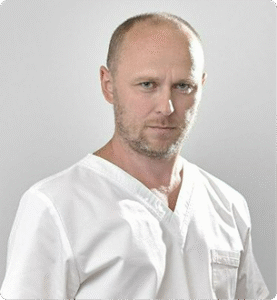
Dr Rafał Wasiak

Stanisław Zwięgliński

Maria Kościuszko, MD, PhD

Izabela Knyziak-Mędrzycka, MD, PhD
Dr Rafał Wasiak
See what issues you can report to us about.
Hypertension
Too high blood pressure is one of the most common cardiovascular diseases. Untreated, it can lead to heart attack, stroke and kidney failure.
Heart rhythm disturbances
Heart abnormalities ranging from palpitations to arrhythmias can signal a serious disorder requiring prompt diagnosis.
Heart failure
It manifests as dyspnoea, fatigue and swelling. Requires ongoing care, diagnostic testing and tailored treatment.
Coronary artery disease
Coronary artery stenosis obstructs the blood supply to the heart. It manifests as chest pain, especially on exertion.
Myocardial infarction
Sudden chest pain radiating into the arm or jaw may indicate a heart attack - a life-threatening condition.
Congenital heart defects
They affect children and adults - some only become apparent in adulthood. They require regular follow-up and echocardiography.
Myocarditis
It often occurs after viral infections. It manifests as chest pain, weakness and breathlessness.
Dizziness, fainting, shortness of breath
These are non-specific but alarming symptoms that may indicate cardiovascular disease - they require cardiology consultation.
How to prepare for a visit to the cardiologist?
To make your visit to the cardiologist as effective as possible, it is a good idea to prepare properly in advance:
- Take your medical records with you - results of diagnostic tests (ECG, heart echo, laboratory tests, chest X-ray), hospital discharges and a list of treatments attended.
- Prepare a list of medications you are taking - Write down all the medicines you use on a regular or ad hoc basis, together with the dosage. Also include dietary supplements.
- Describe your symptoms - when they appeared, how often they occur and in what situations. Symptoms related to chest pain, shortness of breath or heart rhythm disturbances are particularly important.
- Make a note of your questions to the doctor - if you have doubts about the cardiac diagnosis, possible tests or further treatment, write them down in advance.
- Choose a comfortable outfit - This will facilitate an ECG, heart auscultation or blood pressure measurement.
Being well prepared allows the doctor to assess your condition more accurately and plan further diagnosis or treatment of cardiovascular diseases more quickly.
Frequently asked questions
Cardiologist - what does he do and what diseases does he treat?
A cardiologist is a doctor who specialises in the diagnosis, treatment and prevention of cardiovascular diseases. He deals with conditions such as hypertension, ischaemic heart disease, cardiac arrhythmias, heart failure, myocarditis or congenital heart defects, among others. The aim of cardiac care is to reduce the risk of complications and improve the patient's quality of life.
What symptoms should prompt a visit to the cardiologist?
It is a good idea to see a cardiologist if you experience symptoms such as chest pain, shortness of breath on slight exertion, palpitations, fainting, dizziness, leg swelling or chronic fatigue. These symptoms may be indicative of serious cardiovascular disease and should therefore not be underestimated.
What tests does the cardiologist order at the first visit?
During the initial cardiology consultation, the doctor may order, among other things, an ECG, a heart echo (cardiac ultrasound), laboratory tests, a chest X-ray or a stress test. The type of tests depends on the patient's reported symptoms and condition. Cardiac diagnostics at MDT Medical are performed on site, which allows for a quicker diagnosis.
Do I need a referral to see a cardiologist?
At MDT Medical, we do not require a referral to a cardiologist. All you need to do is make an appointment online or by telephone. This allows patients to get quick help without waiting for a National Health Service consultation. However, if you have a referral - you can bring it with you to your appointment.
How often to go to the cardiologist for a check-up?
The frequency of visits depends on the patient's age, the presence of risk factors (such as hypertension, diabetes, smoking, obesity) and history of cardiovascular disease. In healthy individuals, a check-up every 1-2 years is recommended. In patients with known heart disease - as recommended by the attending physician, often every 3-6 months.