
Point of collection Warsaw
At MDT Medical, we provide quick and convenient access to a wide range of laboratory tests – with no queues and no unnecessary paperwork. Our blood collection centre in Warsaw is a place where you can have blood tests and other diagnostic tests carried out in a friendly atmosphere – suitable for children too. Thanks to our modern facilities and experienced staff, the blood collection process is efficient, safe and carried out with the patient’s comfort in mind.
4.5/5.0

5.0/5.0

9.5/10

What is the process like when visiting the blood collection centre at MDT Medical?
01
Preparation before the examination
People aged 3 and over should come for a blood test on an empty stomach or at least 3 hours after a light meal. Young children may be given milk or a light breakfast – it is important to inform the doctor of this. Drinking water makes the blood test easier.
02
Preparing a child mentally
Make sure your child gets used to the idea of the test in a calm way. Explain what having blood taken involves – ideally in a playful way, for example using a wristband and a plaster. Avoid taking them by surprise – your child should know where they are going and why.
03
Be honest and fully present with your child
Don’t say, „They won’t feel a thing” – your child will appreciate the truth and your support. Your presence during the examination (even if they’re sitting on your lap) and their favourite toy can significantly reduce stress and anxiety.
04
Calm, praise and good habits
Your calmness will rub off on your child. After the examination, be sure to praise your little one – this will boost their confidence for future visits. Avoid stress, fatty foods, caffeinated drinks and strenuous exercise the day before the examination.
Discover the full range of services offered by the collection point in Warsaw
Our on-site sampling centre is a place where you can undergo rapid diagnostic tests and a wide range of laboratory tests in comfortable surroundings. We offer professional service, short waiting times and convenient opening hours – The branch is open from Monday to Friday, 7.00 am to 8.00 pm.
The prices for the tests are in line with MDT Medical’s standard price list.
To find out the cost of a specific test, please contact reception – our staff will provide detailed information and help you choose the right range of diagnostic tests.
A fee of 10 zł is added to the price of each test that requires a blood sample.
Want to take charge of your health? Take the first step - make an appointment at MDT Medical
Our partners







What do our patients say?

Over 3,200+ positive reviews about our facility


Dr Robert Staniszewski, MD

Dr Barbara Matuszkowiak
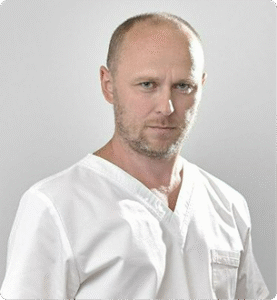
Dr Rafał Wasiak

Stanisław Zwięgliński

Maria Kościuszko, MD, PhD

Izabela Knyziak-Mędrzycka, MD, PhD
See what issues you can report to us about.
General physical weakness
Laboratory tests help to assess a person’s general state of health and detect deficiencies, inflammation or infections at an early stage.
Suspected anaemia
A full blood count and tests to measure iron and ferritin levels enable the diagnosis of anaemia and the selection of appropriate treatment.
Diagnosis of infections (e.g. Lyme disease)
Thanks to tests for IgM and IgG antibodies, it is possible to detect tick-borne diseases at an early stage.
Hormonal disorders
Tests for thyroid and sex hormones, as well as other endocrine parameters, enable the diagnosis of problems relating to weight, mood or the menstrual cycle.
Monitoring chronic conditions
Regular blood tests make it easier to monitor the treatment of conditions such as diabetes, high blood pressure, heart disease and kidney disease.
Preparing for procedures or treatment
The blood sampling centre offers the opportunity to have all the necessary tests carried out prior to a planned operation or the start of treatment.
Preventative screening packages
For health-conscious patients, ready-made screening packages are available – including general packages, as well as those for women, men, children and the elderly.
Diagnosis of food allergies or intolerances
Blood tests help to identify the body’s reactions to specific allergens and dietary components.
How should you prepare for a blood test?
To ensure reliable test results, it is worth following a few basic rules:
- Please come for your test on an empty stomach – Your last meal should be eaten no later than 10–12 hours before the blood sample is taken.
- Drink water – Adequate hydration makes the sample collection easier and does not adversely affect the results.
- Avoid strenuous exercise and stress – they may affect blood parameters.
- Do not drink alcohol or smoke cigarettes – at least 24 hours before the test.
- Take your medication as prescribed by your doctor – if you need to leave some of them behind, make sure you find out in advance at check-in.
If you have any queries about the preparation process or a specific test, please contact us – we will provide you with the necessary information.
Frequently asked questions
How long before a blood donation must one not eat?
It is recommended that the last meal is eaten no later than 10-12 hours before the test. The meal should be light, without a lot of fat, sugar or protein - all so as not to disturb the test results.
Is it okay to drink water before a blood draw?
Yes - still water can and should be drunk before the test. This helps to hydrate the body and makes it easier to take a blood sample. However, coffee, tea, juices and fizzy drinks should be avoided.
How long does it take to get test results from the sampling centre?
The waiting time for results depends on the type of test, but most basic results are available on the same day or within 24 hours. Specialist test packages may take longer, which we always make clear to patients.
Can you have a blood test whilst you’re on your period?
Most blood tests can also be carried out whilst you are on your period, although certain parameters – such as iron, ferritin or hormone levels – may be affected. If in doubt, it is worth consulting the reception staff.
Which medicines should I stop taking before a blood test?
Some medicines may affect the results of laboratory tests, so you should consult your doctor or inform the medical staff about any medicines you are taking before the sample is taken. You should not stop taking your medicines without consulting your doctor.